After much thought, I decided to continue with the original plan. I had put lot on stake for this and I needed to make it count.
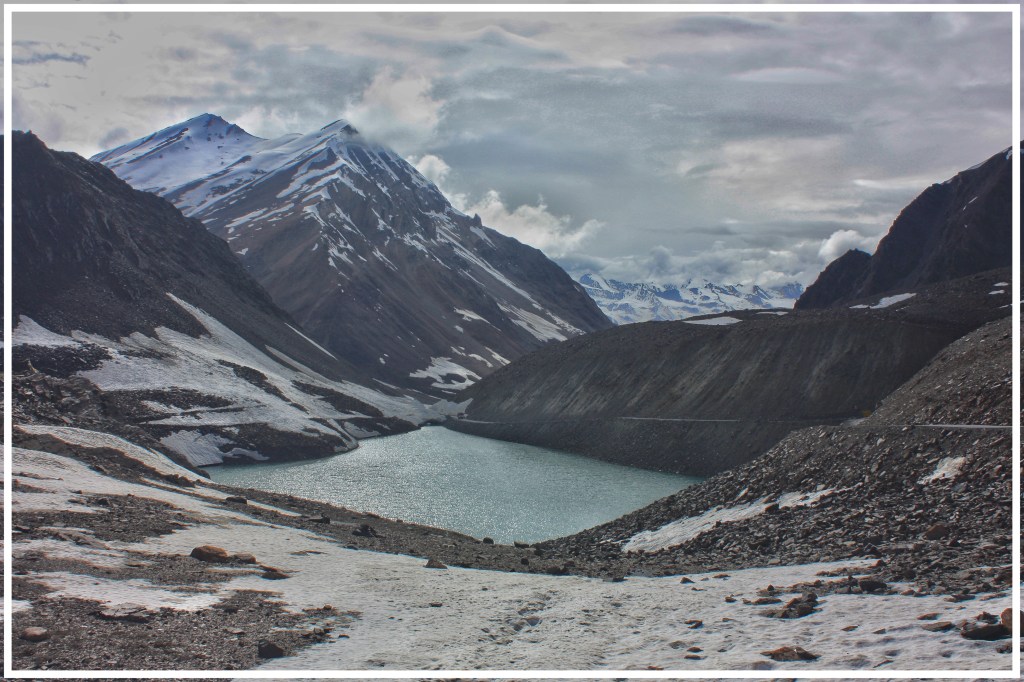
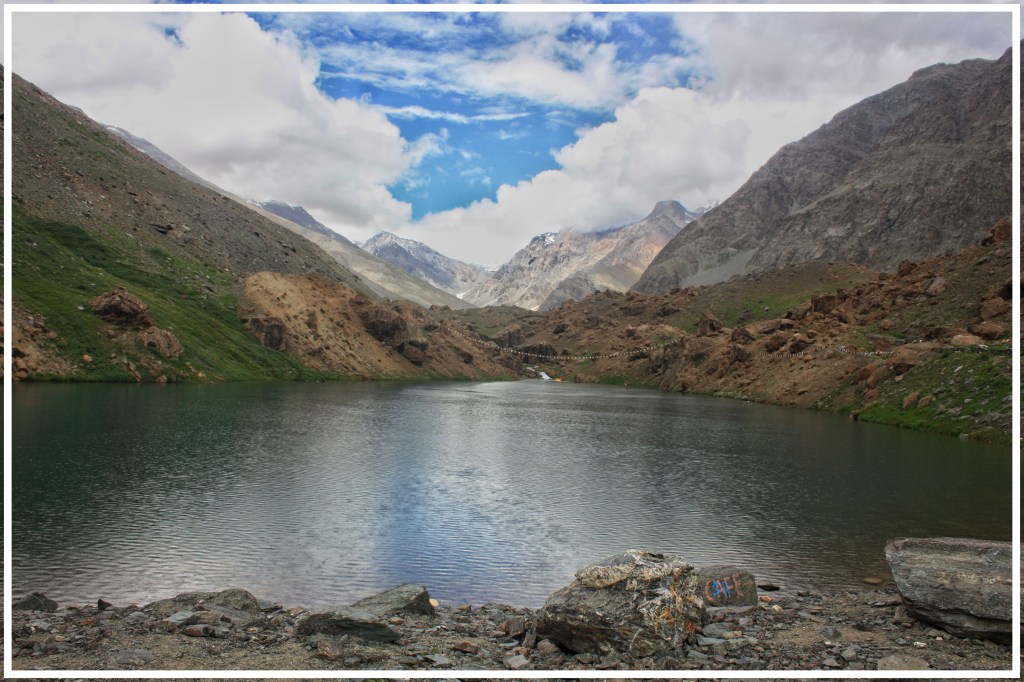
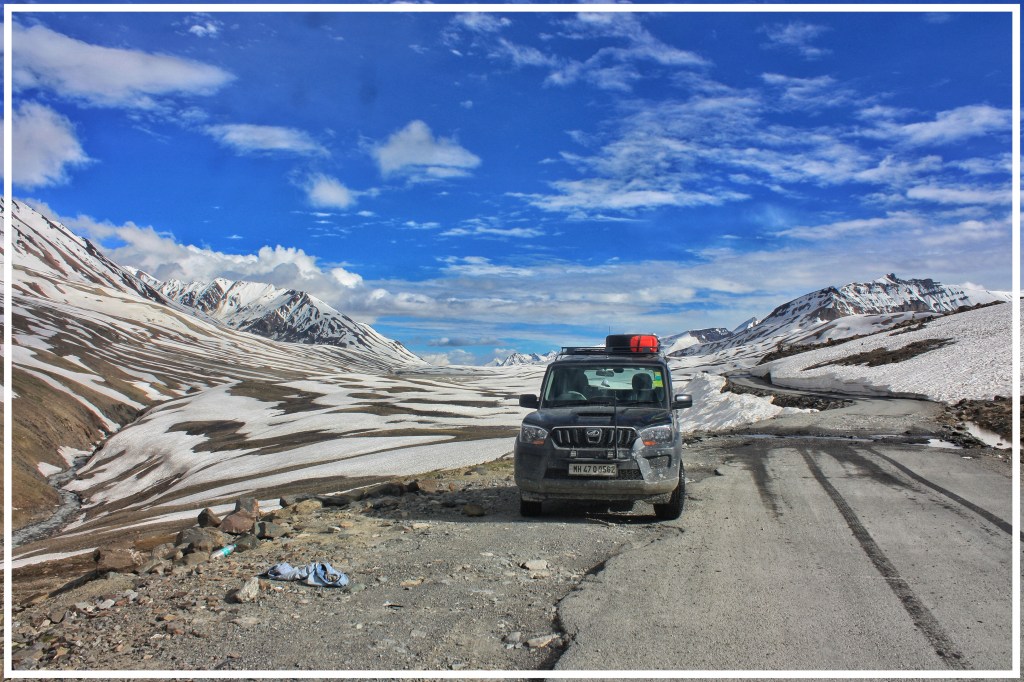
I made a late start from Keylong, spent sometime by the side of two road-side lakes (Suraj Taal and Deepak Taal), crossed Baralacha Pass which had lot of snow cover and reached Sarchu by evening where I negotiated a price of Rs.150 for a bed inside a roadside dhaba. Sarchu gets very cold in the night, but the dhaba kept me warm and I managed to get good sleep.
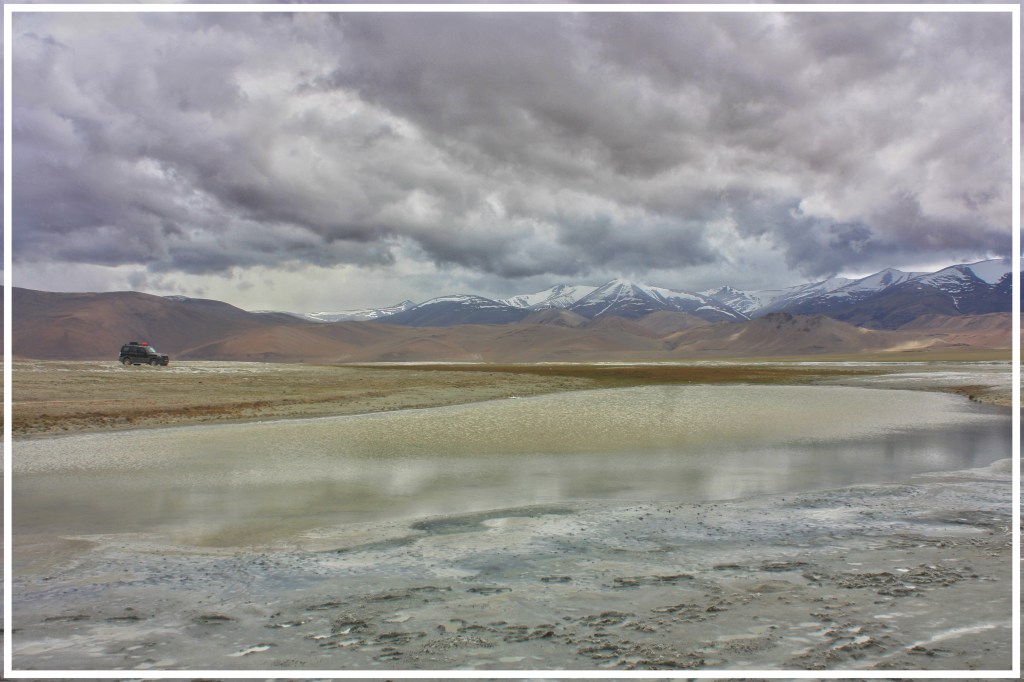
Next morning I made an early start with aim of reaching Leh, but covering Tsokar Lake on the way. I noticed the improved road condition (since my last trip 5 years ago) which helped me to reach Tsokar by lunch time. It was only this time that I realized that the actual lake was some 20 odd Kms away from where we were made to camp five years ago when I had last visited this place as part of the organised motor bike expedition to Ladakh. Quite frankly, Tsokar didn’t meet my expectations. I had expected a lake where one can go to its banks, touch the icy cold water, but Tsokar was different. There were several puddles, small and large, of water surrounding the lake and the main water body seemed some distance away with no easy access to go near. In spite of the lake not meeting my expectations, the lunch by the side of the lake did meet my expectations. The simple and sweet (literally) jam and cheese toast with coffee made a great lunch.
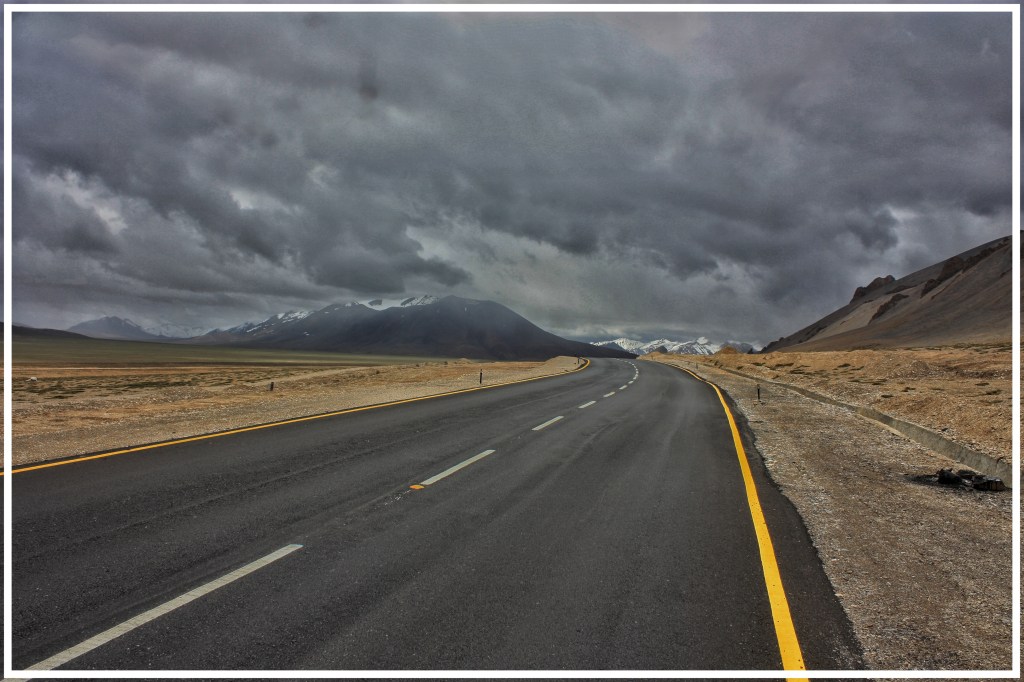
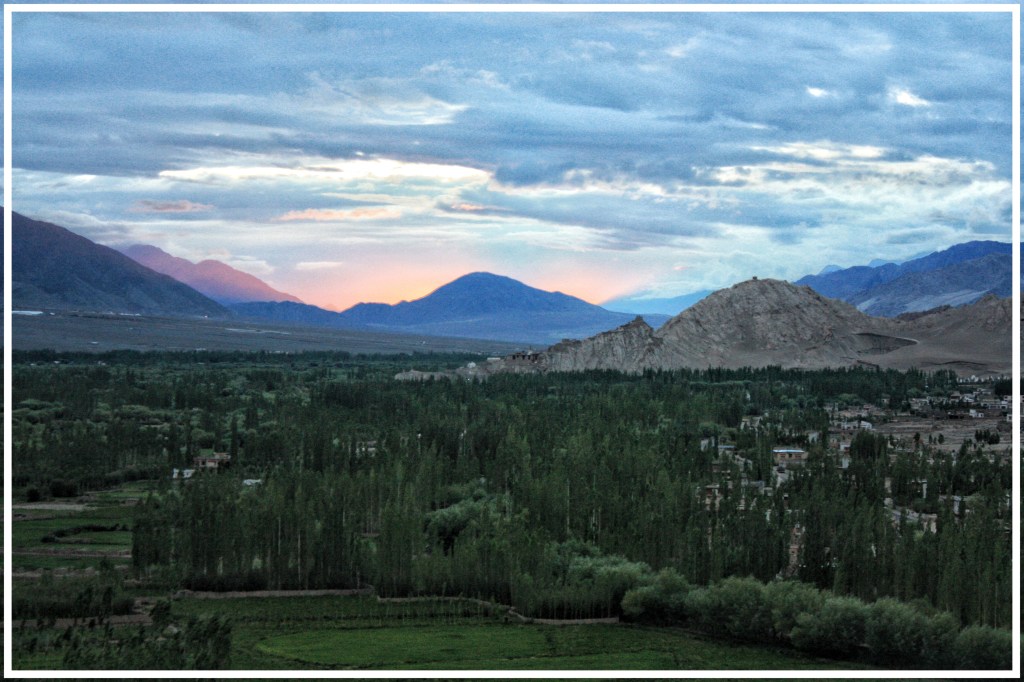
After spending some time at Tsokar, I came back to join the Leh-Manali highway and started the ascent to Tanglang La. The weather turned dramatic and before I could realize, it started snowing. Wow! My first snowfall during daytime! It wasn’t a heavy snowfall and soon after the descent from Tanglang La, weather improved significantly and by the time I reached Thiksey monastery on the outskirts of Leh town, the rain had stopped. The cloudy sky and the setting sun played partners in creating a spectacular sunset.
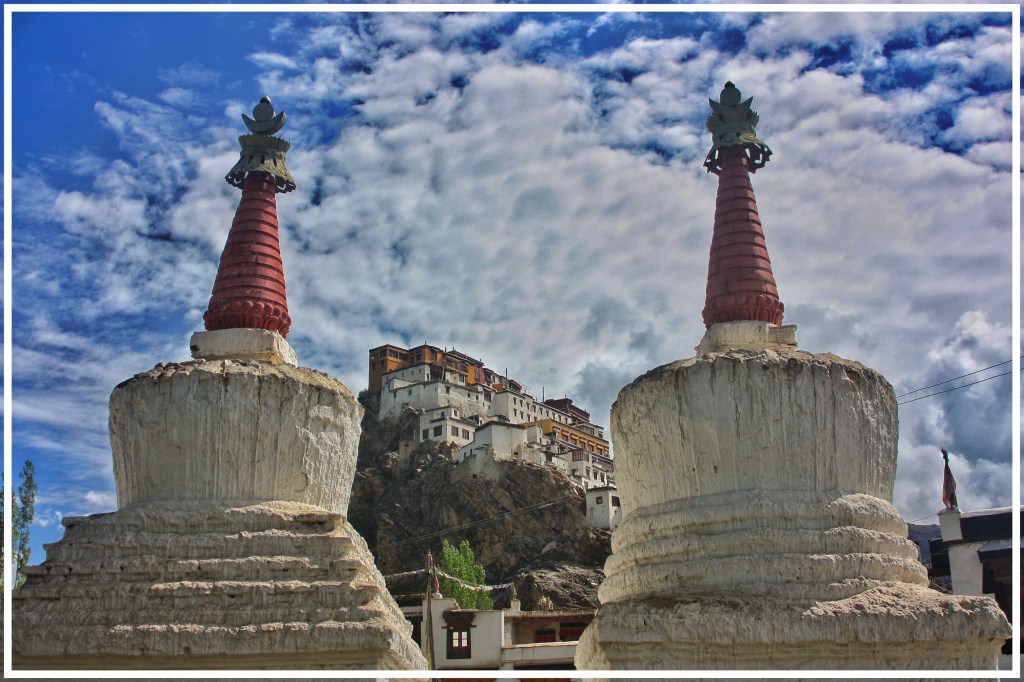
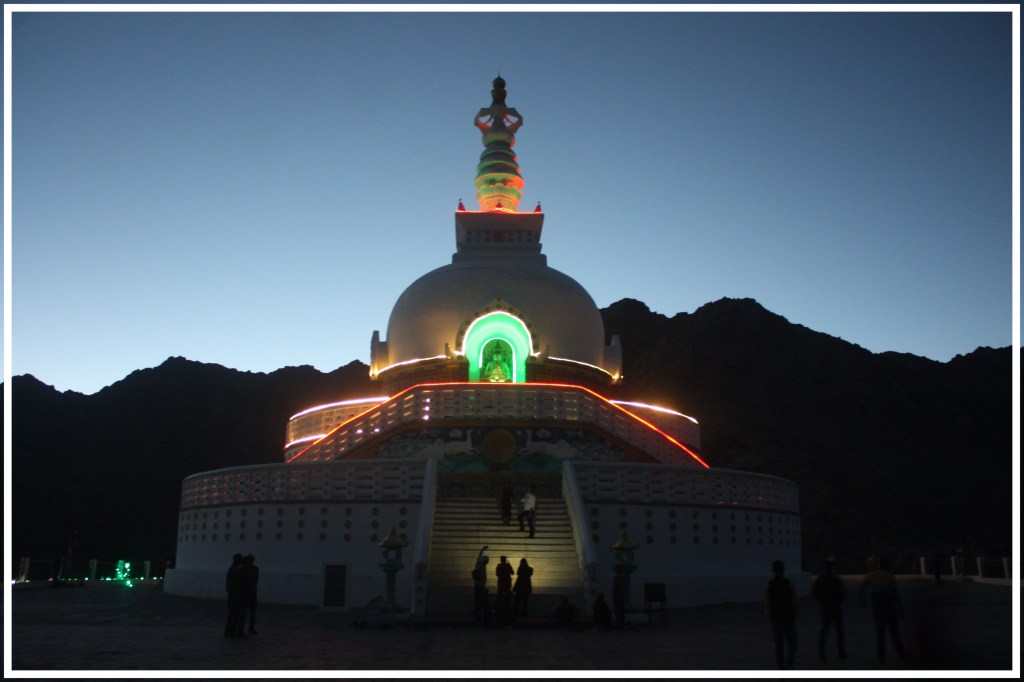
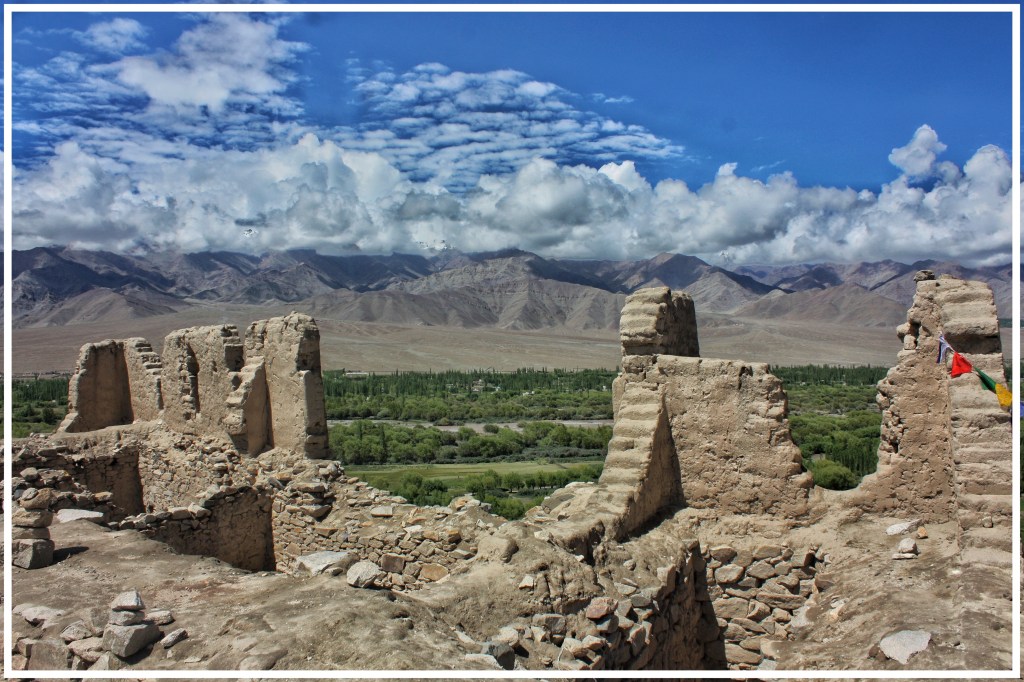
Next morning, I went to see the Thiksey monastery which is among the most visited monasteries in Leh. From Thiksey, I started towards Leh town, but on the way found an interesting looking structure by the side of the road. It was Shey palace. I really liked the ruins of the old palace as the surrounding mountains made an interesting backdrop to these ruins. From Shey, I went straight to Leh and decided to settle in a hostel. In the evening, I went to Shanti Stupa, a huge Stupa that gets lit up in colouful lights in the night.
This was my first time in a hostel. While it was comfortable, but I didn’t like the experience much, probably because I was surrounded by groups of travelers who were busy chatting among themselves. The thought of sharing the room with strangers was initially little odd, but then I said to myself – if I have paid to be on this bed, I need to get sleep.
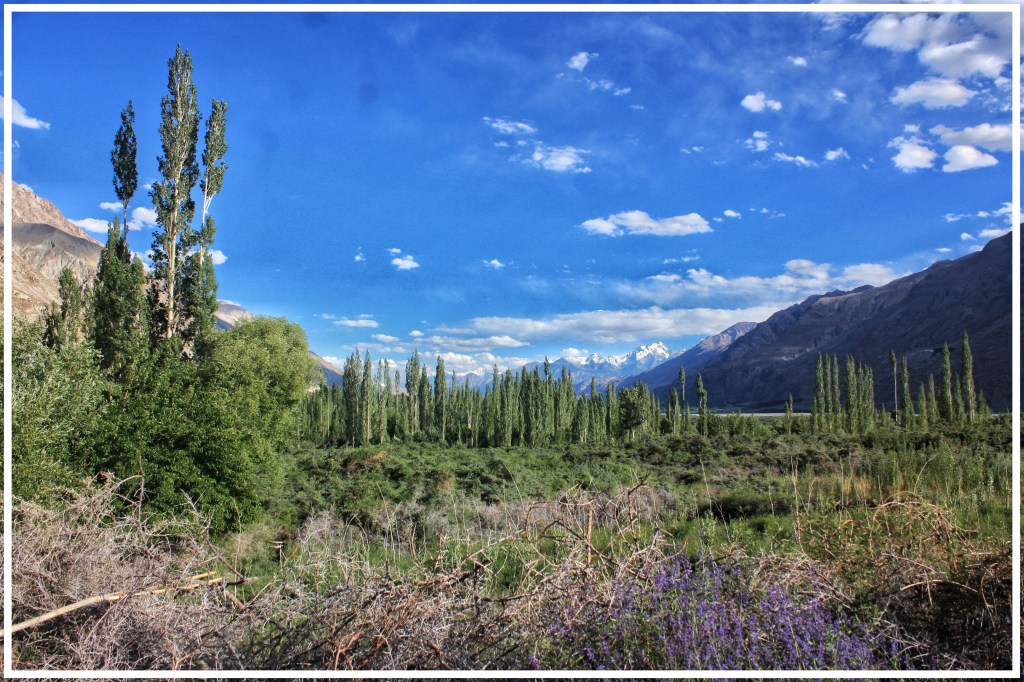
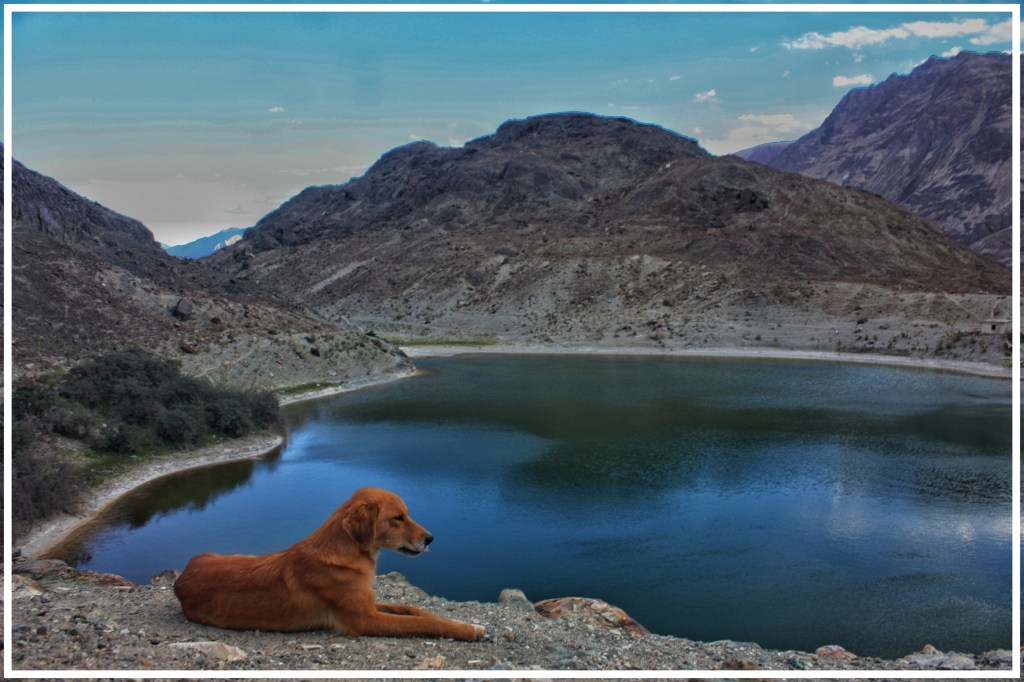
Next day, I started off for Nubra Valley. The road to Nubra goes over Khardung La, one of the highest motorable passes, and reaches Khalsar from where one road goes towards Siachen base camp and the other, which is the main touristy section, goes towards Turtuk. I first decided to go towards the Siachen road with aim of reaching Panamik by evening. Panamik has hot water springs and after reaching Panamik I went straight to check out the hot springs. I took a bath in almost unbearably hot water. After bath I went to check out Yarab Tso, a small but beautiful lake. I didn’t know about this lake earlier and was told about it by a local guy who I met on the way to Panamik. I was still trying to figure out the way to the lake, when I met Pemma and Rushan, who were also going towards the lake. The Lake was a nice find, it was sitting between hills, adjacent to Nubra river. Pemma and Rushan helped to arrange the hotel for the night and the evening was spent sharing our stories. They had left their jobs in the US and had been travelling across countries for past several months with no plans of returning to their US life.
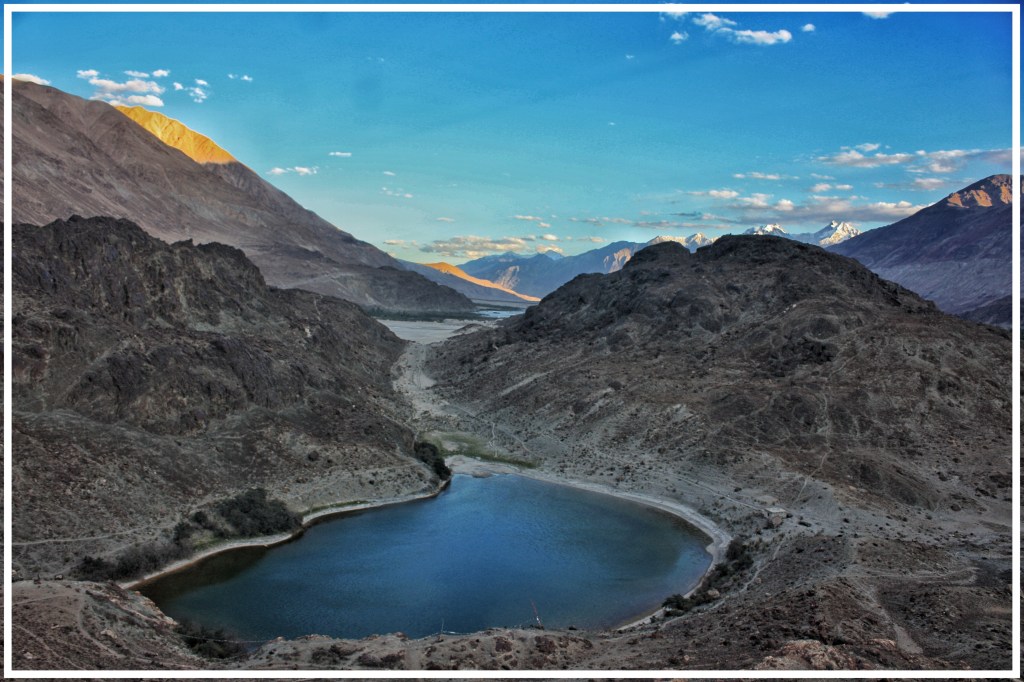
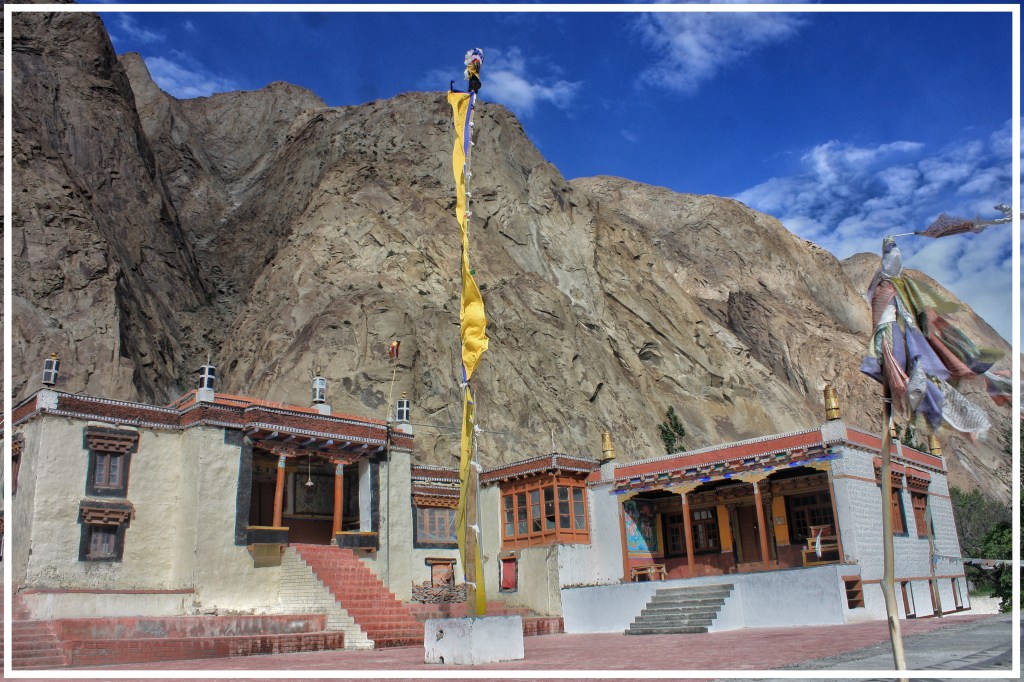
Next day, three of us decided to check out Yarma Gompa and Ensa Gompa. Yarma Gompa was some 40 odd Kms ahead of Panamik towards Siachen base camp. I will remember the place not so much for the gompa, but for three other things. One, the interesting rock formations around gompa that resemble the shape of the offerings that Buddhists make in monasteries. Second, the bridge over Nubra river that we had to cross to go to the other side. The bridge had a height barrier that was just an inch away from the edges of the Tyre that I had on roof. Even on the two sides, there was just couple of inches of space on either side. In fact, at first look we thought the car won’t make it to the other side and we will have to walk the 10 Kms distance. It was only when a local edged us to try, we realized that the car can make it to the other side, but with narrow margin for error. Third, when we were 10 Kms short of the gompa, we were stopped by a guy who was coming in his car from the opposite direction. He asked us where we were going and when we told him that we were going to the gompa, he asked us to follow him to the last village so that he can arrange to send someone with keys to the gompa. We were offered free tea in the village and the guy came with the key in our car to show us the gompa and spent couple of hours with us but refused to accept any money. I couldn’t help but compare how differently people in these remote places behave and act compared to their much privileged counterparts in cities and towns. After Yarma gompa, we headed to Ensa gompa and found ourselves to be the only humans there as even the monks had gone elsewhere for a religious event. Spent sometime there and we then returned to the homestay where Pemma and Rushan were staying. Their host treated us with delicious thupka lunch.
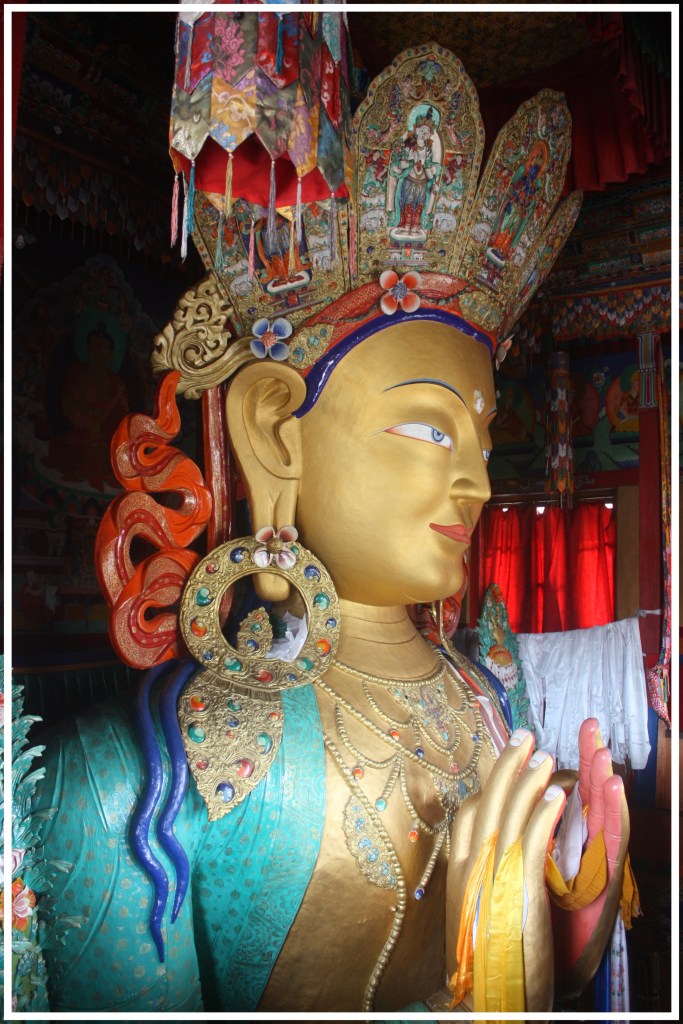
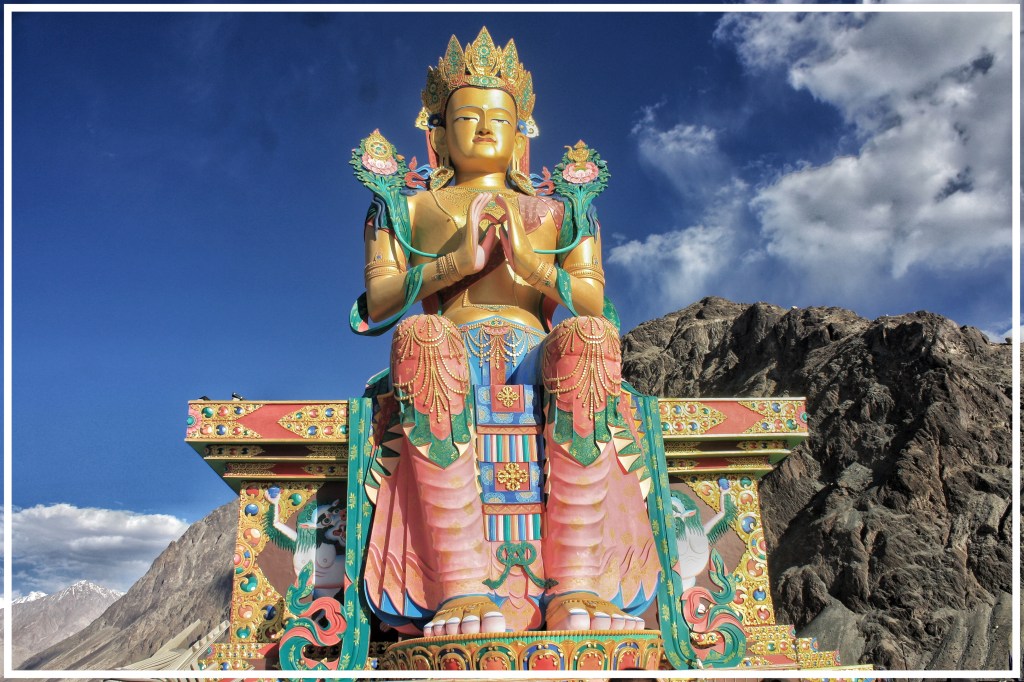
Soon after lunch, I bid goodbye to Pemma and Rushan and headed to Diskit. Diskit is famous for 106 feet tall statute of Maiterya Buddha (the future Buddha) and Diskit Monastery. Both these attractions are walking distance from each other. If you are ever in Diskit, do not miss any of the two and try to visit the statute in the evening when the setting sun and the statute together make a beautiful sight. The night was spent in the parking area of Maiterya Buddha statute.
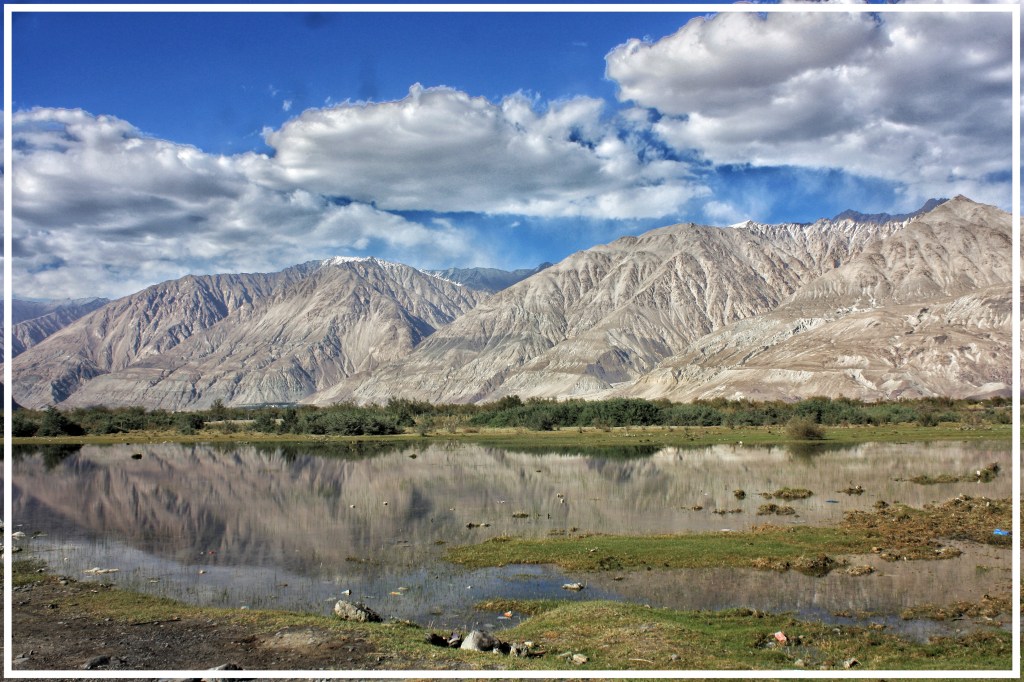
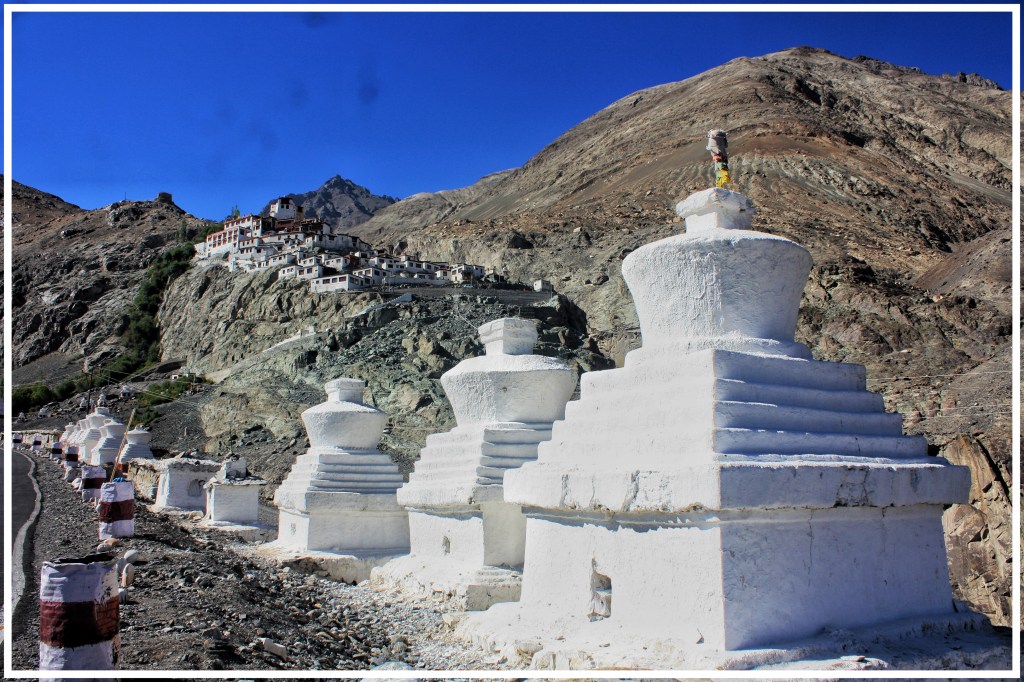
The next destination was Turtuk. Turtuk, along with three other villages, became part of India in 1972. After parking the car in a private parking lot, I crossed a wooden bridge and entered Turtuk village which is accessible only on foot. The village is very touristy with almost every house turned into a homestay and with plenty of eateries, but I still loved the place. You can see villagers going through their daily routines oblivious of the tourists around.
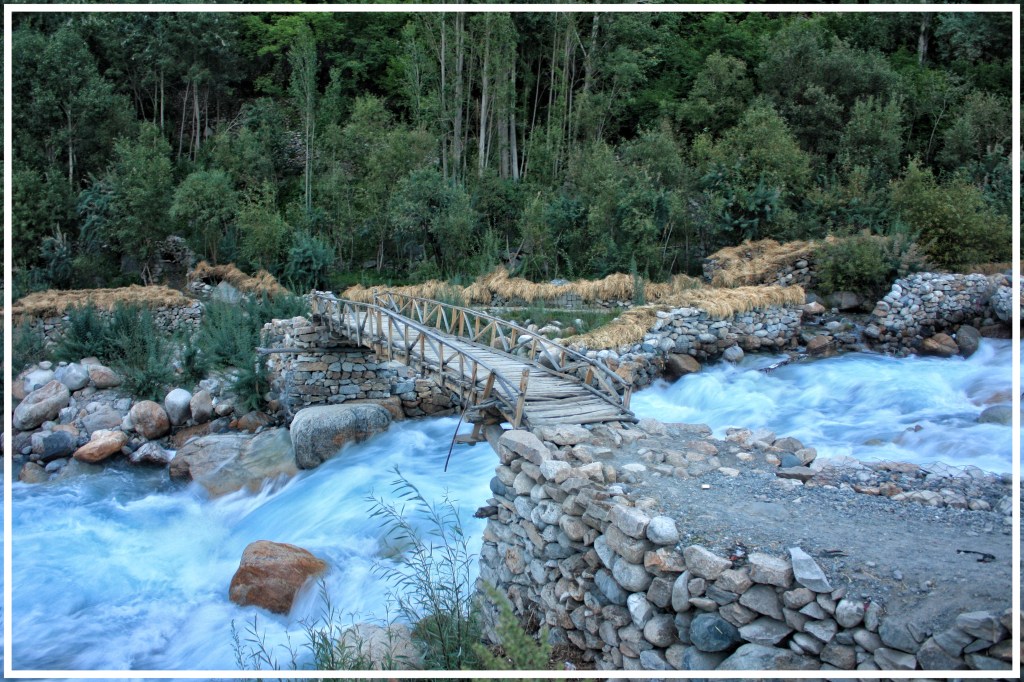
I liked Turtuk so much that I decided to spend couple of days there. Cheap homestay (Rs. 300 with dinner and breakfast included) was the other reason for me to extend my stay in Turtuk. I spent my time there visiting the monastery at the far end of the village (must visit for a nice view of the village), went for a short but little dangerous trek to a nearby waterfall and took a tour of the village. I also went upto village Thang from where a village on the POK side can be seen. If there is one thing that I will never forget about Turtuk, that’s the taste of fresh Apricots that I had there. Too much of everything is bad – I forgot about these words when I was in Turtuk savouring the apricots.
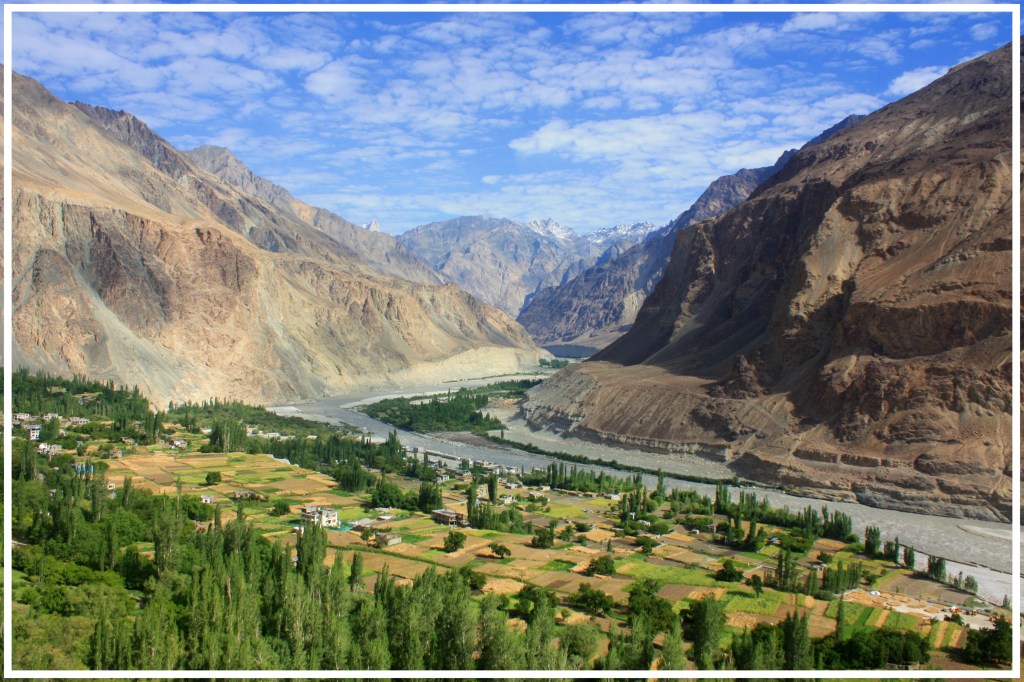
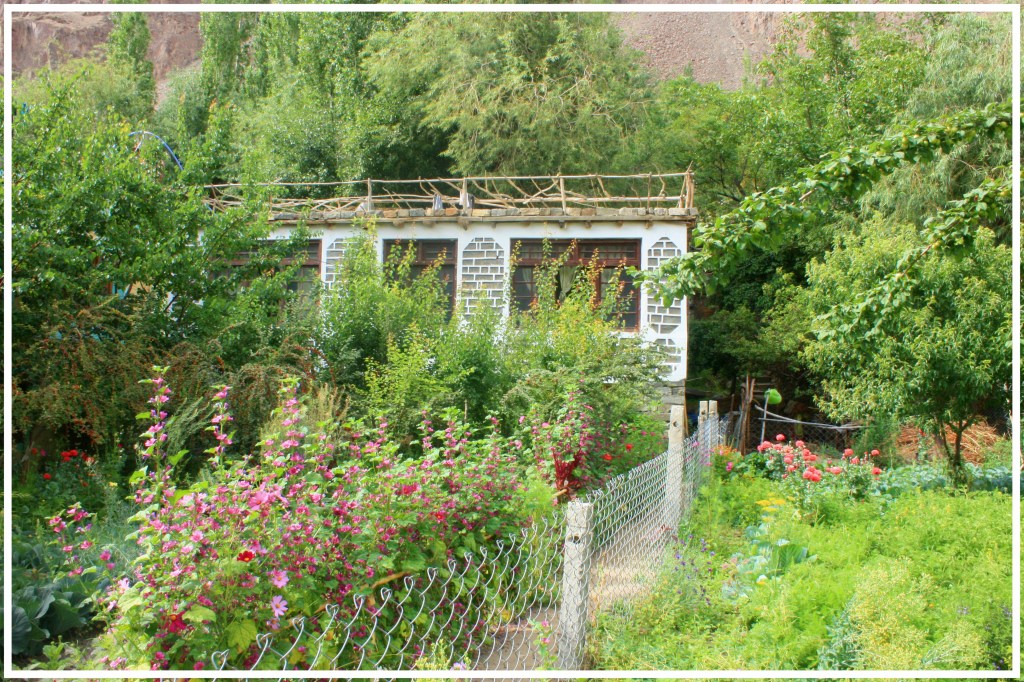
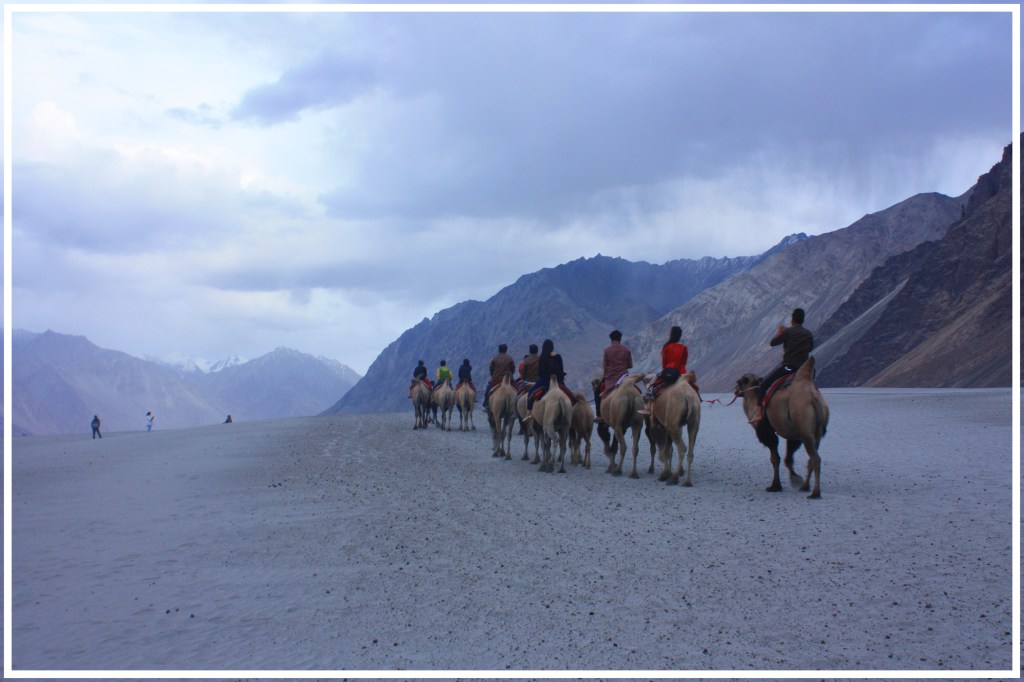
At the homestay in Turtuk, I also met Dora, David and Nacho and we decided we meet again in Hunder from where we will travel together back to Leh. I had skipped Hunder while going to Turtuk from Diskit and therefore I came back to Hunder from Turtuk to spend a night. Hunder is famous for its sand dunes and double humped camels.
Up next, Tsomiriri, Hanle, Chushul and Panggong Tso…..
 sushil.is.out.of.office